

The nopal-based gasoline that Miguel Aké and Rogelio Sosa created in Zitácuaro, Michoacán, costs $ 12; which represents a saving of 40% compared to the liter of Premium fuel that currently hovers around 20 pesos.
This is a project that has represented the interest of international figures such as the former Minister of Energy of Indonesia, who wanted to buy the invention. However, they refused because “this invention is made for and by Mexicans,” says Rogelio.
If today began to use the ecological gasoline of Rogelio and Miguel, the increase in 2008 to the present would be only 36%.
Despite the visibility abroad and that in the National Plan 2013 – 2018 it is proposed “to contribute to improve air quality, and reduce emissions of greenhouse compounds through more efficient fuels”, Rogelio and Miguel have only received support by the federal government once in 10 years. Even so, at present the partners are about to open to the public Nopalimex, their biogas distribution plant.
In 1982 Miguel experimented with organic products such as corn, barley and sugarcane, however in the nopal he found a high energy content. I just needed a partner who trusted his project.
Rogelio is of peasant origin, worked in the corn and tortilla industry; When the prices of LP gas and gasoline increased, their economy was affected.
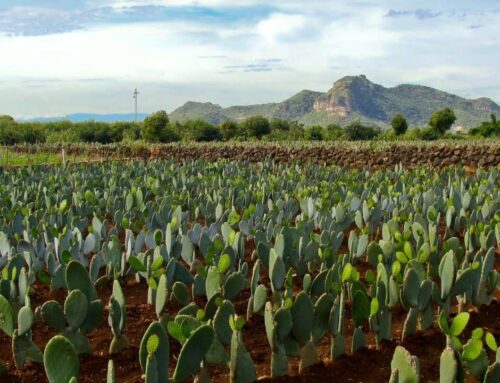
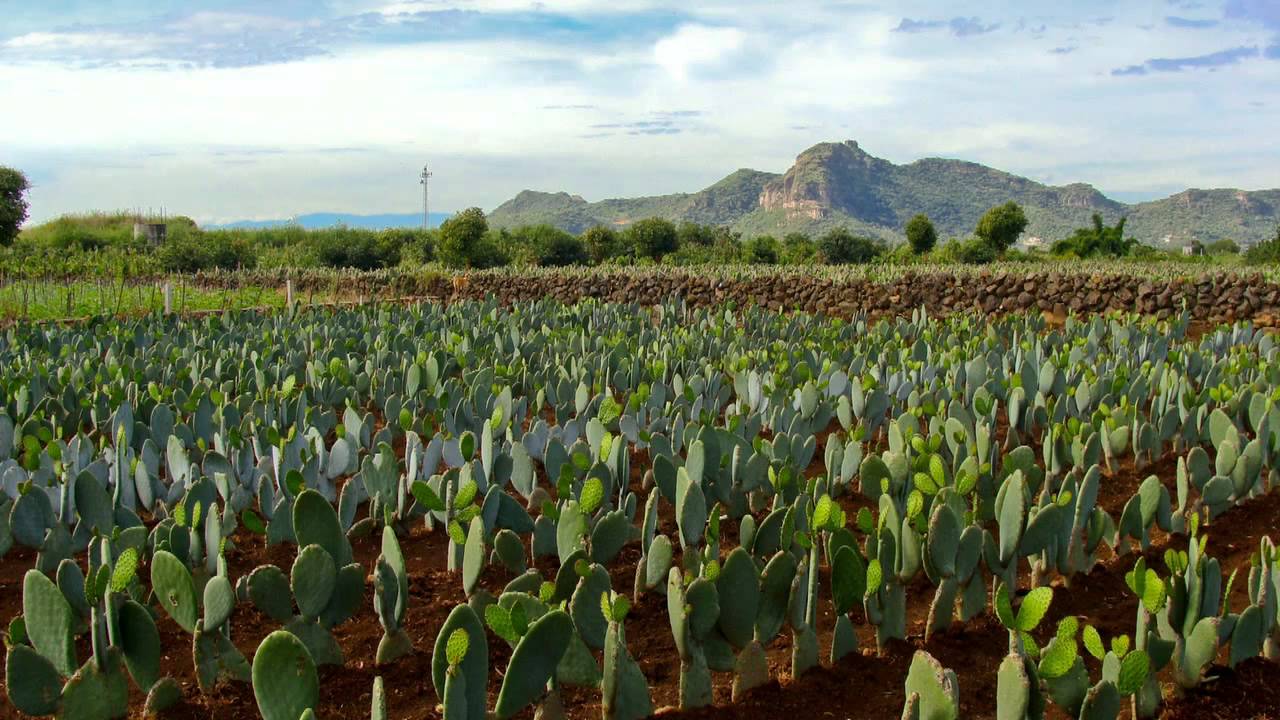
It was there when Miguel and Rogelio came together to form this great invention. On the basis of trial and error, Rogelio and Miguel created a variety of nopal from pollinating 150 different nopal species; With this species they can harvest 600 to 800 tons per hectare, when the average harvest is between 200 and 800. That is to say, the Nopalimex production is very profitable, besides it does not affect the food of Mexicans because it is not a variety intended for consumption.
COMPLETELY CLEAN PRODUCTION
A hundred nopales, regardless of their size or condition, are taken to the mill for grinding; This is how the process of preparing biogas begins. Later the mixture is transferred to a fermentation tank where bacteria and microorganisms decompose the cactus in the absence of oxygen, generating methane.
The first results showed that the gas had harmful substances, to clean it they sought the help of the United Nations Industrial Development Organization (UNIDO). Ramiro Magaña, national coordinator of the same, sent to Vienna the samples of the product and the data showed that the product had a high quality of biomass, material capable of being transformed into fuel.
With the help of INNEL, they perfected the cleaning technique in which they eliminate sulfuric acid, which is highly corrosive, and other harmful substances. They signed an agreement with INNEL to use their data and experiments, applied them to the plant and that is how they developed the biogas that replaces traditional gasoline.
In order to achieve the gasoline substitute, it is still necessary to dry the biogas to eliminate moisture and then compress it; after this it can be loaded into the vehicle tank.
The members tried the nopal-based gasoline in a Chevy 98 with the intention of demonstrating that regardless of the car you have, the general population can access this invention.
The gas and sediment resulting from the fermentation are reused to take full advantage of the properties of the nopal. The first leaves the tank with a high content of nitrogen, which is beneficial for the plants, for this reason Nopalimex workers use water as organic fertilizer in the same planting and organic sediment creates a compost that produces organic fertilizer .
“To open the plant to the general public, we do not need customers, because the residents of Zitácuaro have already asked Rogelio about the inauguration; what we need are investors who support this powerful and innovative project for Mexican society, “concludes Miguel.
Via the Universal
By Isis M. García Martínez




Leave A Comment